Imported Tea in Pakistan: Black, Green, and Herbal Blends
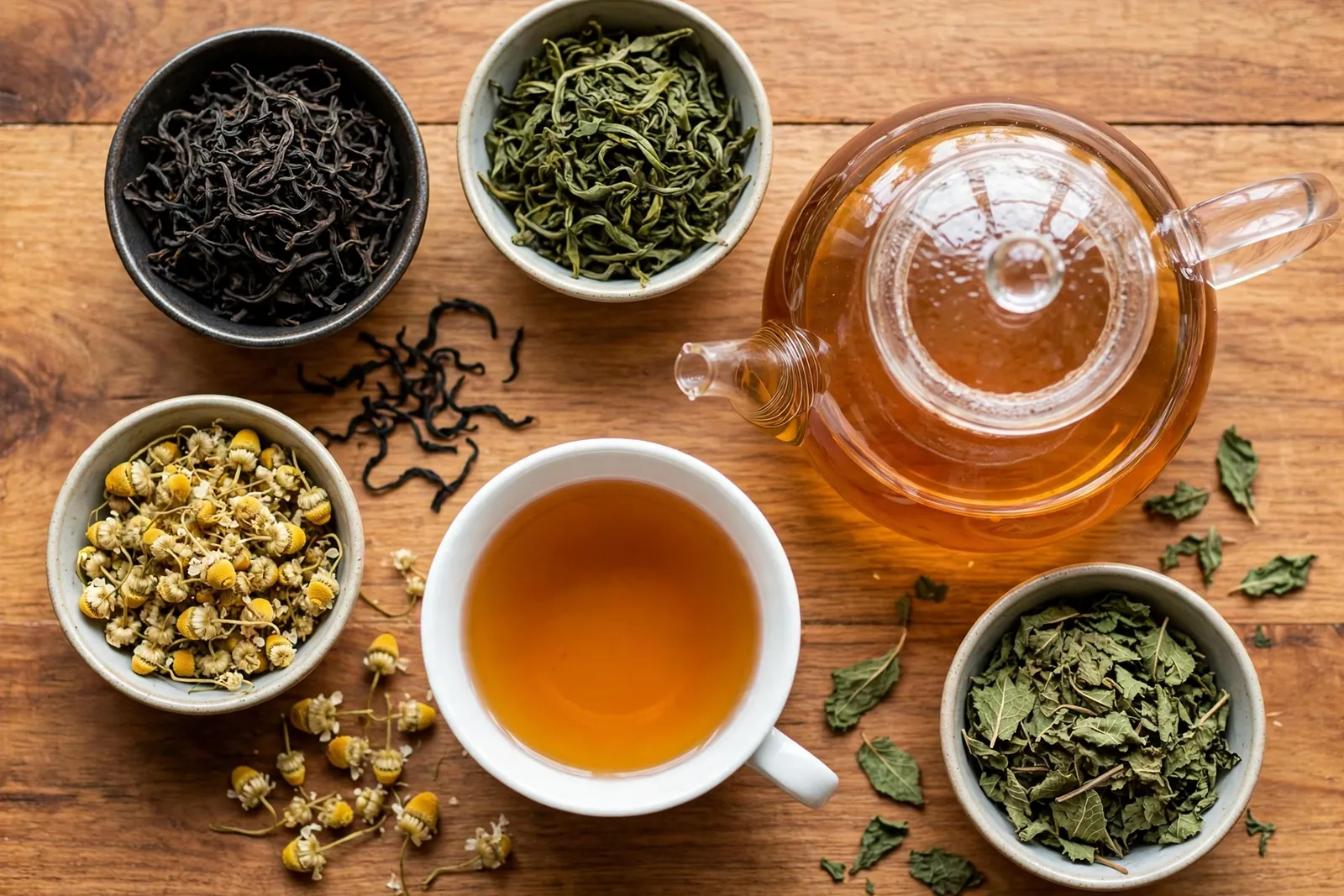
Pakistan runs on chai, but the chai most of us drink every day is only one corner of what tea can be. Walk the imported shelf of a big Karachi supermarket and you will find a different world: bold black teas from Assam and Ceylon, delicate green teas, jasmine scented blends, and herbal infusions of chamomile, peppermint and rooibos that contain no tea leaf at all. The question is which ones are worth it, and how do you brew them so they taste like they should? This guide compares the three families by flavour, so you can pick the ones that suit your taste and your routine.
In this guide:
- Black Tea: Bold, Malty, and Built for Doodh Patti
- Green Tea: Light, Grassy, and Easy to Overbrew
- Herbal Blends: Chamomile, Peppermint, and Rooibos
- Brewing Each Type Properly
- Which Tea Should You Start With?
- Spotting Genuine Imported Tea and Storing It in Pakistan
Black Tea: Bold, Malty, and Built for Doodh Patti
Black tea is the closest thing to home in the imported range, because it is the same family as the patti in your daily chai. The difference is in the leaf and the handling. Assam black tea, from north east India, brews dark and malty, with a full body that stands up to milk and sugar without disappearing. Ceylon black tea, from Sri Lanka, is brighter and brisker, with a clean, almost citrus edge that suits a lighter cup. If you only try one imported tea, make it a good Assam.
Black tea is also the most forgiving type to brew, which matters in a busy Pakistani kitchen. Use fully boiling water, one teaspoon of loose leaf or one bag per cup, and steep for three to five minutes. Shorter gives a lighter cup, longer gives a stronger one, and the window is wide enough that a minute either way will not ruin it. For doodh patti, brew the tea strong in water first, then add hot milk and simmer briefly, the way you would with any good patti. The imported leaf rewards the same technique with a deeper flavour: more malt, less bitterness, and a cup that stays pleasant even as it cools. Pair it with biscuits from our guide to imported biscuits.
Green Tea: Light, Grassy, and Easy to Overbrew
Green tea is a different drink entirely, and the first cup surprises people who expect chai. The flavour is light and grassy, sometimes softly sweet, sometimes faintly nutty, with none of the malt and weight of black tea. Plain green tea is the cleanest version: just the leaf, brewed light. Jasmine green tea adds a floral perfume, from jasmine blossoms layered with the leaf, and it is the blend most newcomers enjoy first.
The catch is that green tea is easy to ruin. Boiling water scalds the delicate leaf and turns the cup bitter and astringent, which is why so many people decide they dislike green tea after one badly brewed cup. The fix is simple: let the kettle rest for two to three minutes after it boils, so the water drops to roughly 80 degrees, then steep for two to three minutes only. Use one teaspoon per cup and taste at two minutes. If it is too light, steep a little longer next time rather than adding more leaf.
Herbal Blends: Chamomile, Peppermint, and Rooibos
Herbal blends are not tea in the strict sense, because they contain no leaf from the tea plant. They are infusions of flowers, leaves and roots, and that is exactly their appeal: they are naturally caffeine free, so they suit evenings, children, and anyone who wants a warm drink before bed. Chamomile brews into a soft, golden, apple scented cup, and it is the blend most people reach for to wind down. Peppermint is the opposite energy: cool, bright and clearing, made from dried mint leaves, and excellent after a heavy meal. Rooibos, the red bush tea from South Africa, is the closest herbal to black tea in body and takes milk well.
Herbals are the easiest of all to brew, because there is almost nothing to get wrong. Use fully boiling water, one teaspoon or one bag per cup, and steep for five minutes or longer. Unlike green tea, herbals do not turn bitter with a long steep, they just get stronger, so you can leave the bag in while you finish your work. Rooibos with hot milk and a pinch of sugar tastes remarkably like a light doodh patti, and it is the herbal to recommend to a confirmed chai drinker who wants to cut back on caffeine late in the day.
Brewing Each Type Properly
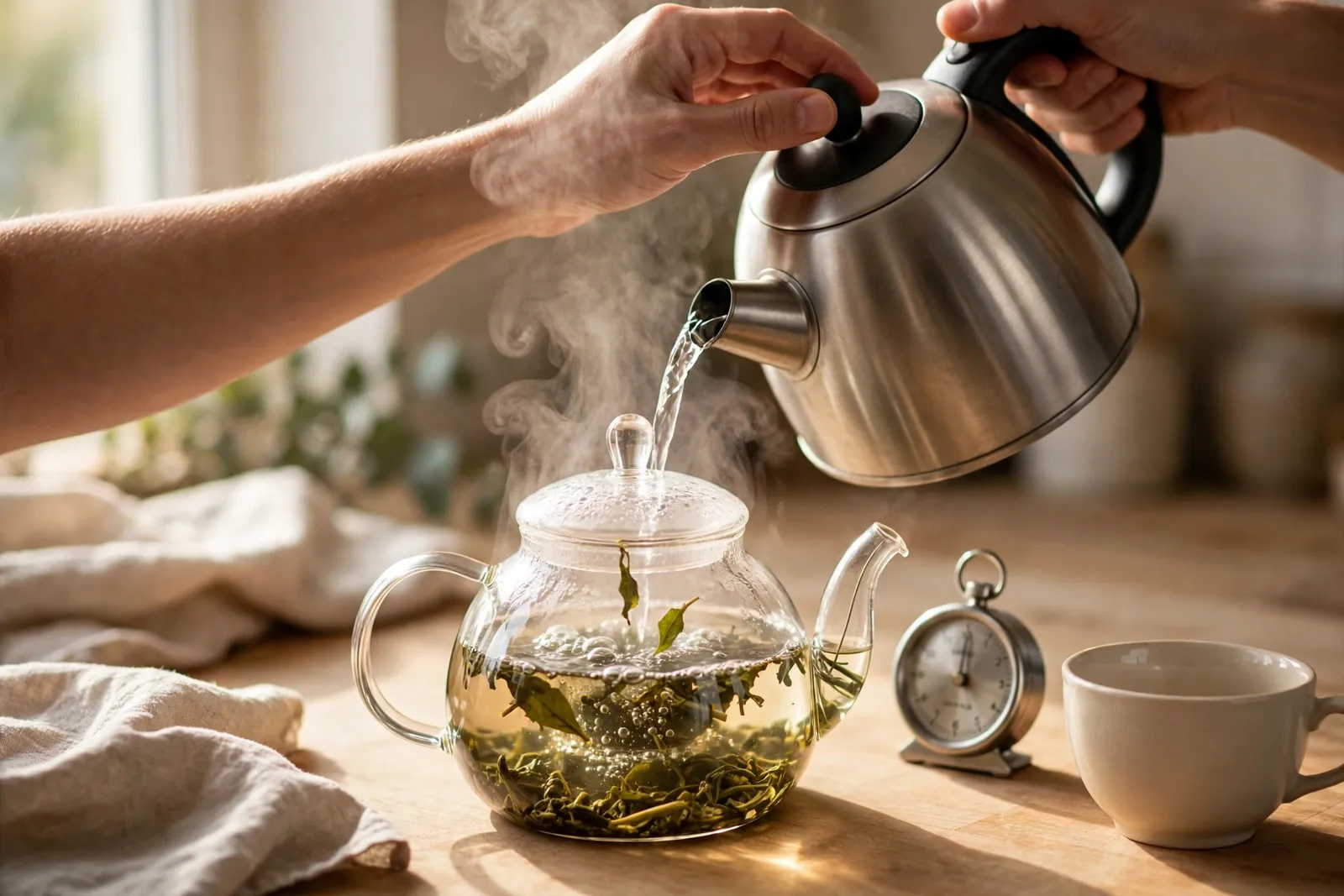
Good tea is mostly good water and good timing. Start with fresh water every time, not water that has been boiled and reboiled in the kettle all day, because stale water makes a flat cup. Measure the leaf: one level teaspoon per cup is the standard for loose leaf, and one bag per cup for bagged tea. Match temperature and time to the type: black tea and herbals take boiling water, black for three to five minutes and herbals for five or more, while green tea wants water rested two to three minutes after boiling and a shorter steep.
Two habits make the biggest difference. First, use a timer, even a phone timer, because steeping by feel is how cups go bitter. Second, remove the leaf or the bag when the time is up, instead of leaving it in the cup while you drink. A bag left in a green tea will keep extracting and turn the last sips harsh. For milk tea, brew strong in water first and add hot milk after, rather than boiling the leaf in milk, which dulls the flavour and makes the cup heavy. If you sweeten your tea, try our stevia sweetener instead of sugar.
Which Tea Should You Start With?
If you drink doodh patti every day, start with a bold black tea, ideally an Assam or an English Breakfast style blend. It slots straight into your existing routine, it forgives beginner mistakes, and it shows you the flavour gap that imported leaf offers over everyday patti. Add a jasmine green tea second: it is the most approachable green, and brewed properly it is the cup that makes people understand green tea. Add chamomile third, for evenings, and peppermint if you enjoy a cooling cup after meals.
Think of it as building a small shelf rather than buying one big tin. Three modest packs, one from each family, cost less than a single premium tin, and within two weeks you will know which one your household reaches for most. If you are buying as a gift, the same three make a ready made set: black for mornings, green for afternoons, herbal for evenings, with a note on brewing times tucked inside. If tea is not your drink, our Movenpick coffee guide does the same job for coffee.
Spotting Genuine Imported Tea and Storing It in Pakistan
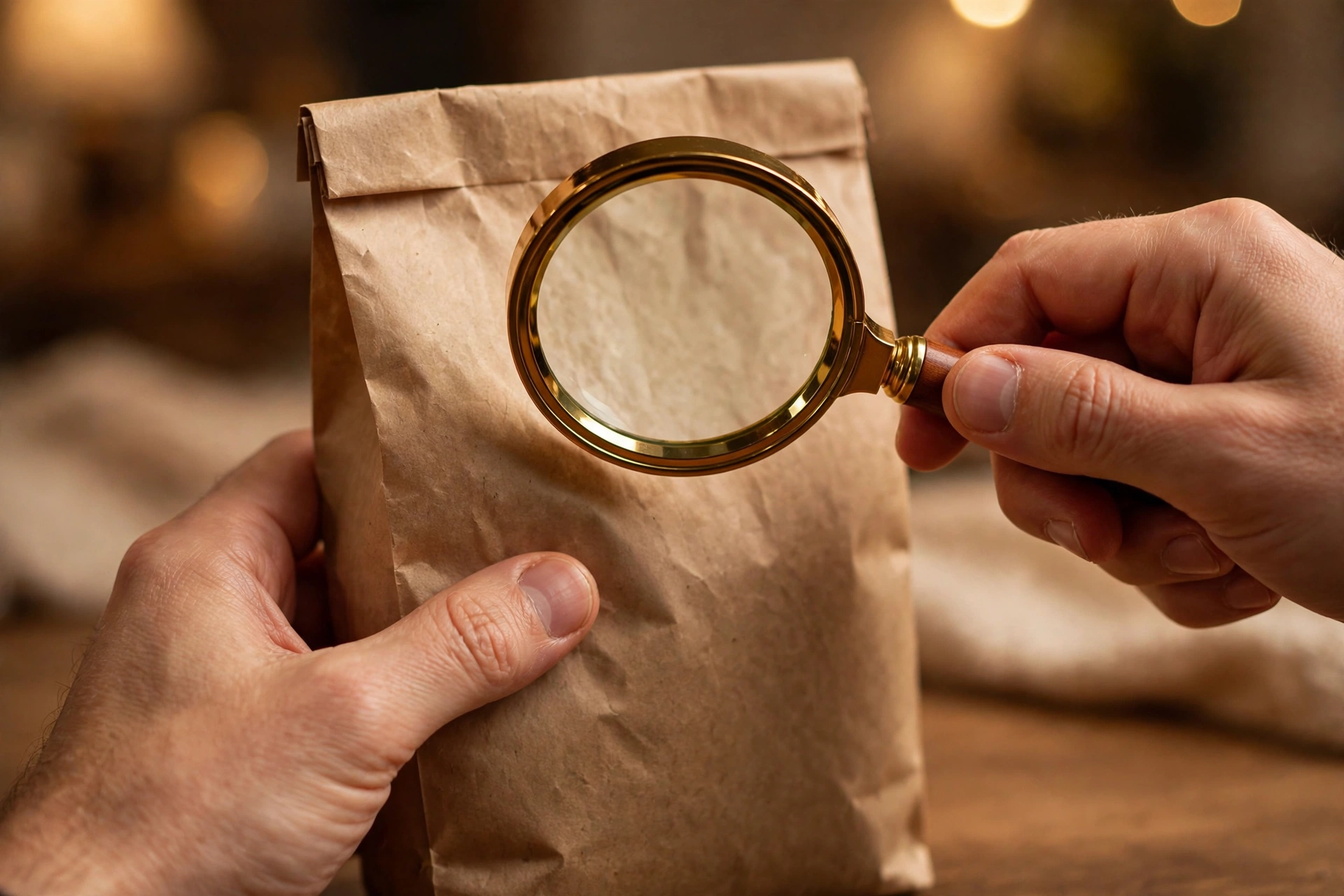
Imported tea is faked and repacked in Pakistani markets just like the imported coffee and cat food we have covered before, so apply the same discipline here. A genuine pack has sharp, even printing with no spelling mistakes, a factory sealed edge that is straight and even, and a printed expiry date with months of life left. Loose leaf should look like leaf, not dust: whole or large broken leaves with visible shape and colour, not a uniform powder. Smell the pack when you open it: flat, dusty or chemical smells mean stale or fake stock.
Storage matters as much as authenticity, because tea is one of the most absorbent foods in the kitchen. Keep it in an airtight tin or jar in a cool, dark cupboard, away from the stove and away from spices, because tea picks up nearby smells fast. Never store tea in the fridge: the moisture and the food smells will ruin it. The same airtight routine protects our imported sweets in Karachi heat. Browse the full shop to see everything we import, or message us on WhatsApp at 0337 3698048 and tell us what your household drinks: we will help you pick teas that suit your taste and survive our climate.
Frequently Asked Questions
Which imported tea is best for doodh patti?
A bold black tea, ideally Assam or an English Breakfast style blend. Brew it strong in water for four to five minutes, then add hot milk and simmer briefly. Its malty body stands up to milk and sugar without disappearing, which is exactly what doodh patti needs.
Why does my green tea taste bitter?
Almost always the water was too hot or the steep too long. Let the kettle rest two to three minutes after boiling so the water drops to around 80 degrees, steep for two to three minutes only, and remove the leaf when the time is up. A bag left in the cup keeps extracting and turns the last sips harsh.
Is herbal tea actually tea?
Strictly, no. Herbal blends like chamomile, peppermint and rooibos contain no leaf from the tea plant, so they are infusions rather than true teas. That is their appeal: they are naturally caffeine free, so they suit evenings and anyone cutting back on caffeine late in the day.
How long does loose leaf tea stay fresh in Pakistan?
In an airtight tin in a cool, dark cupboard, loose leaf tea keeps well for a few months after opening. Heat, humidity and nearby spice smells are the enemies, so buy amounts you will finish within a couple of months and never store tea in the fridge.
Can I sweeten imported tea with stevia?
Yes, and it suits green and herbal teas particularly well, where a clean sweetness fits the light flavour. Add it a little at a time, because stevia is much sweeter than sugar and overdoing it is the classic beginner mistake. Our stevia sweetener page explains how to use it in chai and other hot drinks.